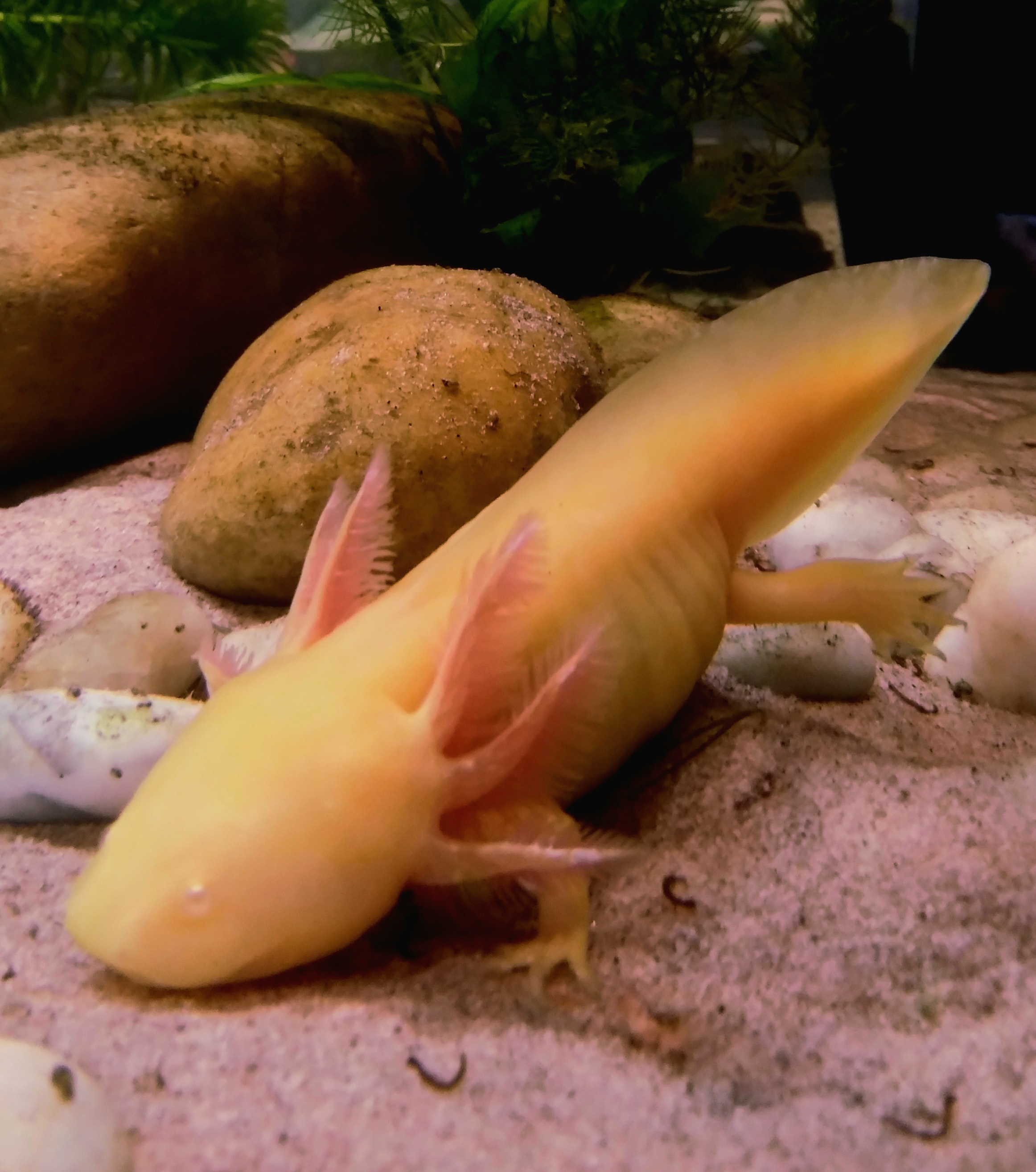
The Enchanting Axolotl: A Tale of Survival
In the mystical waters of Mexico’s freshwater lakes, a creature known as the axolotl defies the odds of survival with its astonishing regenerative abilities. Often dubbed as the ‘walking fish,’ this unique salamander captivates biologists and nature enthusiasts alike.


Meet the Axolotl
The axolotl, scientifically named Ambystoma mexicanum, is a neotenic salamander, meaning it retains its juvenile features throughout its life. Unlike other salamanders, axolotls do not undergo metamorphosis, which allows them to remain aquatic.
Habitat & Range
Native to the freshwater habitats of Mexico, axolotls are primarily found in the remnants of Lake Xochimilco. This unique environment provides the perfect conditions for their survival, although their range has drastically reduced over the years.
Diet & Behavior
Axolotls are carnivorous, feeding on a diet of worms, insects, and small fish. Their behavior is largely nocturnal, taking advantage of the cover of darkness to hunt.

.jpg)
Conservation Status
Axolotls are currently listed as critically endangered due to habitat loss and pollution in their native environment. Conservation efforts are crucial to ensure their survival, with institutions like the Loveland Living Planet Aquarium playing a key role in raising awareness.
Why It Matters
The axolotl is not only a fascinating creature because of its regenerative abilities, but it also serves as an important biological model for scientific research. Understanding and protecting axolotls can lead to breakthroughs in regenerative medicine and the conservation of other species.


FAQ About Axolotls
What is unique about axolotls?
Axolotls are unique due to their ability to regenerate body parts and their neotenic nature, which means they retain juvenile traits throughout their lives.
Where can axolotls be found?
Axolotls are native to the freshwater lakes of Mexico, particularly Lake Xochimilco.
Why are axolotls endangered?
Axolotls are endangered due to habitat destruction, pollution, and the introduction of invasive species in their natural habitats.