Introduction
Deep in the heart of the rainforest, a vivid blue jewel hops through the undergrowth, captivating all who see it. This is the Blue Poison Dart Frog, a species that combines beauty with a touch of danger.

_Edit.jpg)
Meet the Blue Poison Dart Frog
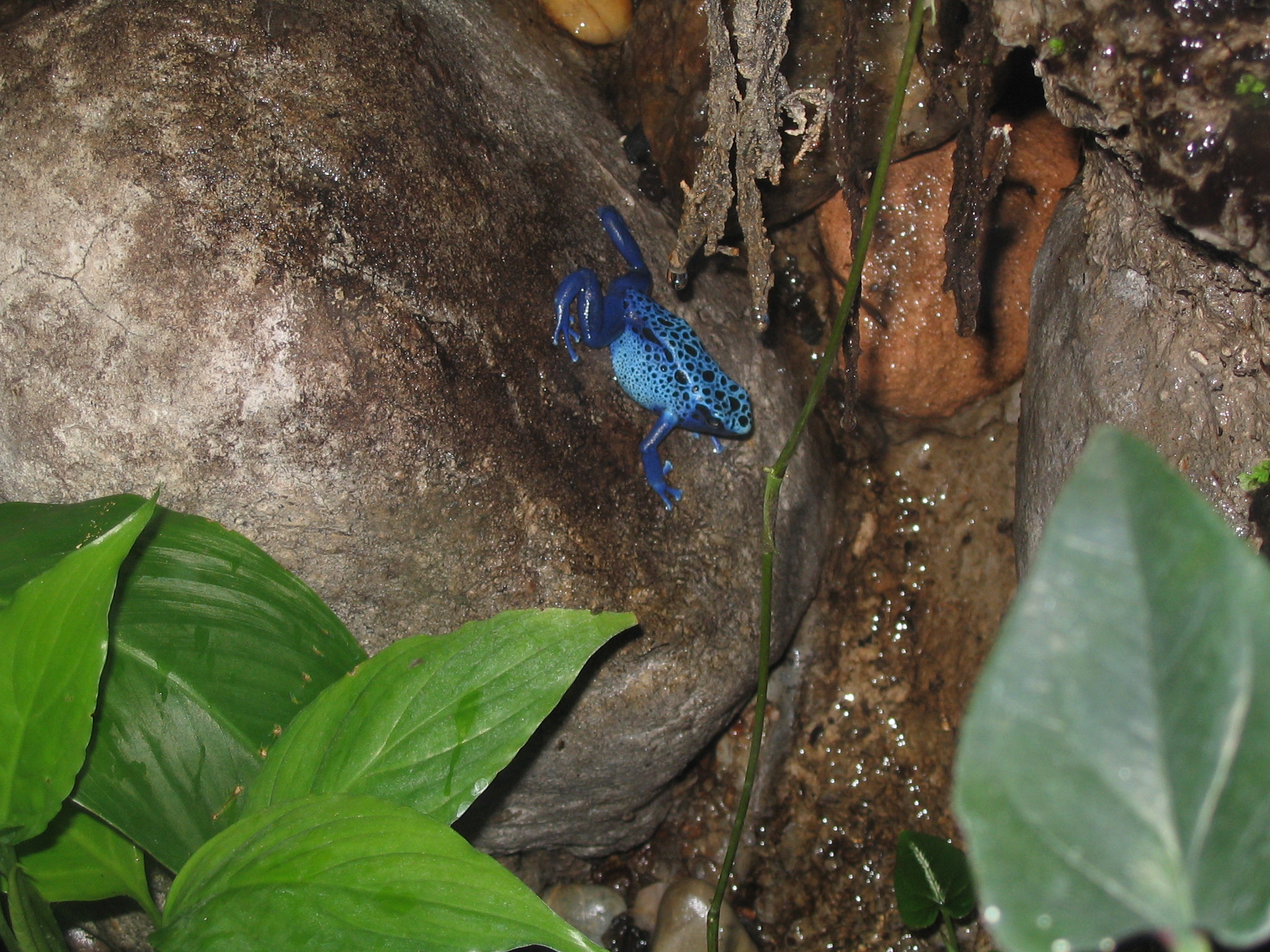
The Blue Poison Dart Frog, scientifically known as Dendrobates tinctorius, is renowned for its brilliant blue skin adorned with black spots. Despite their small size, these frogs are a prominent presence in the rainforests of South America.
Habitat and Range
These amphibians predominantly inhabit the lush, humid rainforests of the Guiana Shield in South America. Their vibrant coloration serves as a warning to predators of their toxicity, an adaptation that aids their survival in the dense jungle.
Diet and Behavior
The Blue Poison Dart Frog feeds primarily on small insects, such as ants and termites. Interestingly, their diet is directly linked to their toxicity—the frogs derive their poison from the alkaloids present in their prey.


Conservation Status
While not currently endangered, the Blue Poison Dart Frog faces threats from habitat loss and the pet trade. Conservation efforts are vital to ensure their continued survival in the wild.
Why It Matters
The Blue Poison Dart Frog is more than just a beautiful amphibian; it plays a crucial role in its ecosystem by controlling insect populations. Additionally, studying these frogs can lead to medical breakthroughs, as their toxins have potential pharmaceutical applications.


FAQ
- Are Blue Poison Dart Frogs dangerous to humans? They can be, due to their toxic skin, but they are not aggressive and pose no threat unless handled improperly.
- What makes Blue Poison Dart Frogs blue? Their color acts as a warning signal to predators about their toxicity.
- Where can I see Blue Poison Dart Frogs? They are featured in many zoos and aquariums worldwide, including the Loveland Living Planet Aquarium.