Introduction: The Enigmatic Marvel of the Deep
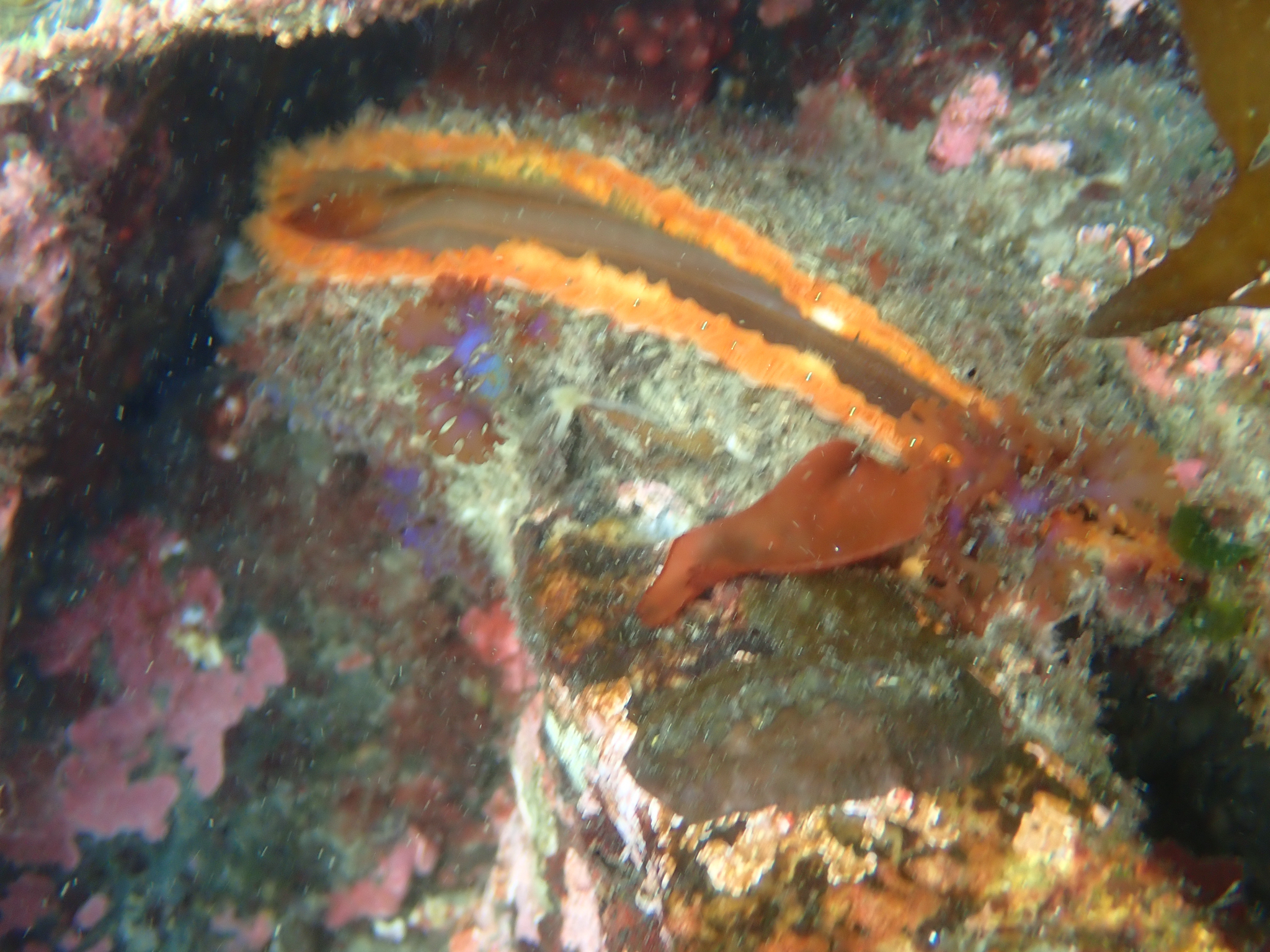
Imagine a world beneath the waves where strange and wondrous creatures dwell. Among these, the Giant Rock Scallop stands out for its unique size and captivating presence. Found at Loveland Living Planet Aquarium, this marine bivalve never fails to intrigue visitors with its robust shell and fascinating life.

Meet the Giant Rock Scallop
The Giant Rock Scallop, scientifically known as Crassadoma gigantea, is a bivalve mollusk celebrated for its impressive size. Its robust shell is a testament to its strength, making it a unique inhabitant of the ocean depths. This species is part of the Pectinidae family, sharing its lineage with other scallops known for their fan-shaped shells.
Habitat & Range
The Giant Rock Scallop is primarily found in the coastal waters of the Pacific Ocean. These scallops prefer rocky substrates where they can anchor themselves securely. Their natural habitat spans from the intertidal zones to deeper waters, offering them a wide range of living conditions.

Diet & Behavior
Like other scallops, the Giant Rock Scallop is a filter feeder. It sustains itself by filtering small particles, such as plankton, from the water. This feeding method not only supports the scallop’s diet but also contributes to the health of its marine ecosystem by controlling plankton levels.
Conservation Status
The conservation status of the Giant Rock Scallop is not well-documented in available resources. However, as with many marine species, habitat disruption and changes in ocean conditions pose potential threats. Conservation efforts at aquariums like the Loveland Living Planet Aquarium play a crucial role in safeguarding such species.
Why It Matters
Understanding creatures like the Giant Rock Scallop helps us appreciate the diversity and complexity of marine life. These scallops contribute to marine ecosystems by maintaining the balance of plankton populations, which supports the food chain. They also serve as indicators of ocean health, reflecting changes in marine environments.

Frequently Asked Questions
- What is the scientific name of the Giant Rock Scallop? The scientific name is Crassadoma gigantea.
- Where can you find the Giant Rock Scallop? It is found in the Pacific Ocean, often in rocky coastal areas.
- How does the Giant Rock Scallop feed? It is a filter feeder, drawing in water and filtering out plankton and other small particles.