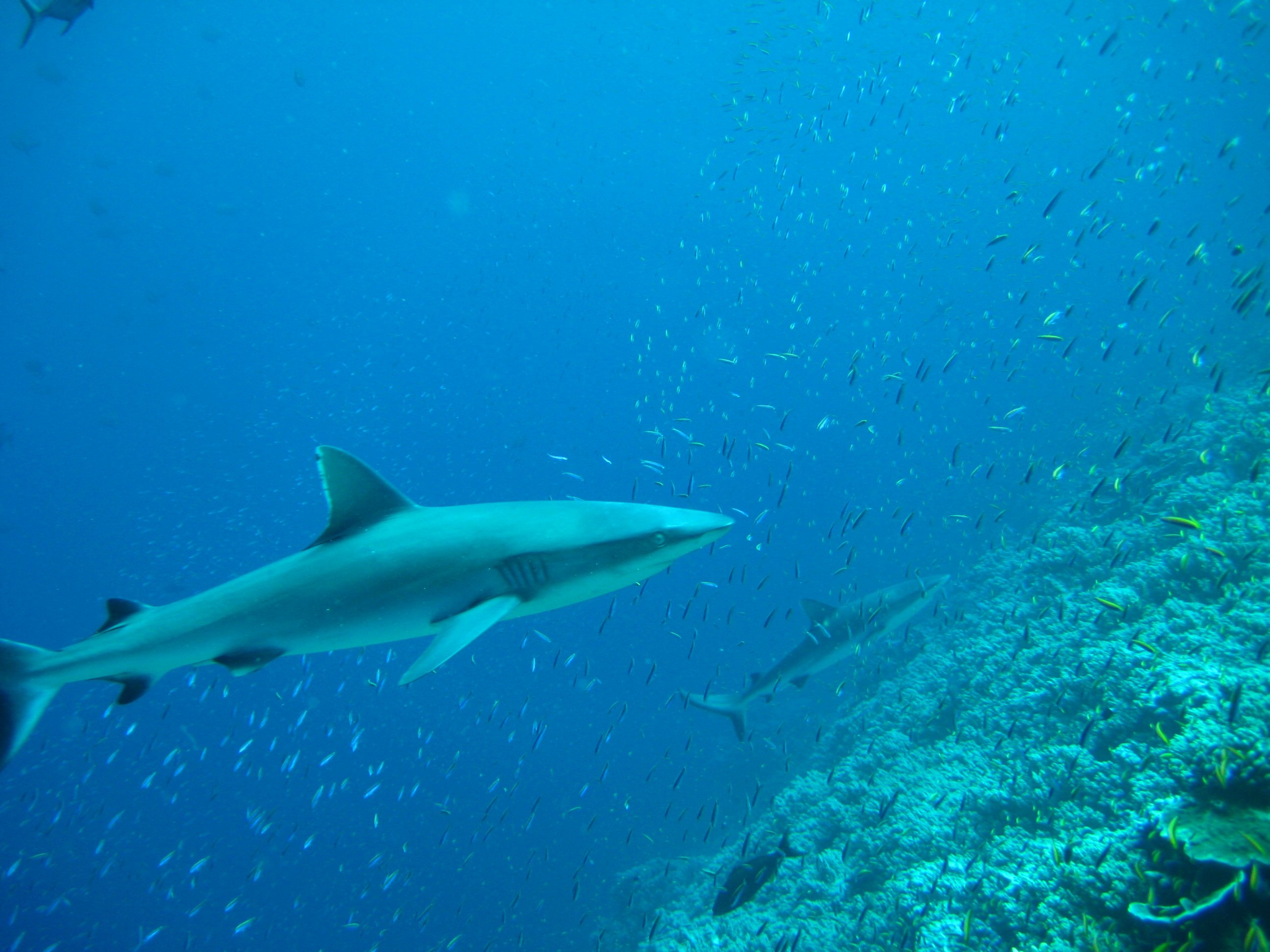
An Introduction to the Grey Reef Shark
Imagine gliding through the crystal-clear waters of a coral reef, where a sleek predator moves with grace and precision. This is the world of the Grey reef shark, known scientifically as Carcharhinus amblyrhynchos, a species that captures the imagination of marine enthusiasts and researchers alike.

Meet the Grey Reef Shark
The Grey reef shark is a member of the family Carcharhinidae and is commonly found in the Indo-Pacific region. These sharks are medium-sized, often reaching lengths of around 6.6 feet. They are recognized by their distinctive grey coloration and white underbelly, with the tips of their dorsal fins often appearing darker.
Habitat & Range
Grey reef sharks primarily inhabit coral reef environments, thriving in the warm, tropical waters of the Pacific and Indian Oceans. They are commonly spotted near the outer edges of coral reefs, where they patrol the waters with a sense of territoriality.

Diet & Behavior
These sharks are opportunistic predators, feeding on a variety of marine life including fish, octopus, and crustaceans. Grey reef sharks are known for their inquisitive nature, often approaching divers, but they are generally not aggressive unless provoked.
Conservation Status
According to the International Union for Conservation of Nature (IUCN), the Grey reef shark is considered Near Threatened. Factors such as overfishing and habitat destruction pose significant threats to their populations.
Why It Matters
Grey reef sharks play a crucial role in maintaining the balance of coral reef ecosystems. As apex predators, they help regulate the populations of species below them in the food chain, ensuring the health and stability of marine environments.

FAQ
Are Grey reef sharks dangerous to humans?
Grey reef sharks are generally not dangerous to humans unless provoked. They may exhibit threat displays when feeling territorial or threatened.
What adaptation helps Grey reef sharks thrive in their environment?
Their streamlined bodies and keen sense of smell aid them in hunting and navigating the coral reefs efficiently.
How can we help protect Grey reef sharks?
Supporting sustainable fishing practices and marine protected areas can help conserve their populations.