Introduction: A Splash of Color in the Coral Reef
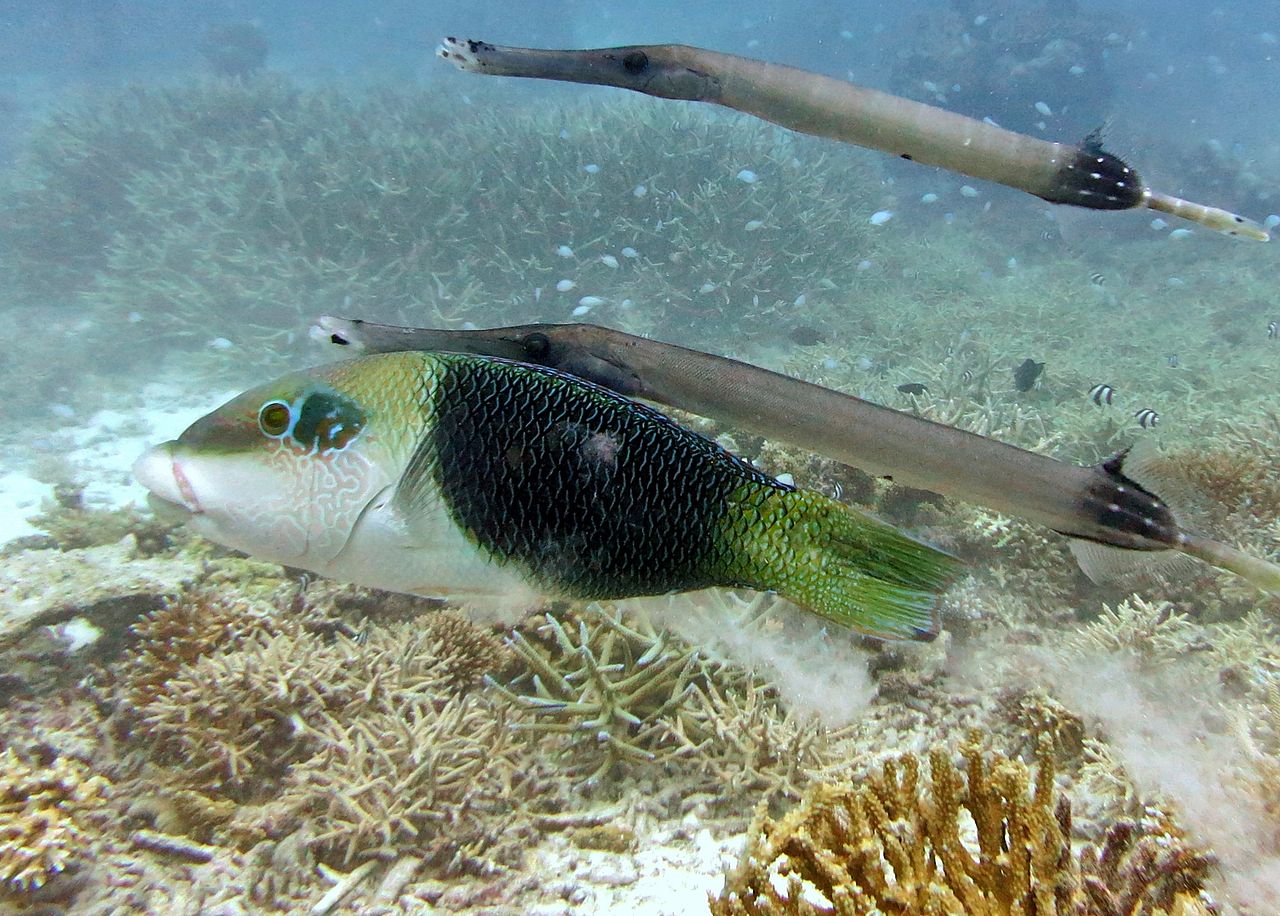
Imagine snorkeling in a vibrant coral reef and suddenly spotting a fish that seems to be divided into two distinct halves. This is the Half-and-half wrasse, a mesmerizing marine creature known for its striking appearance and fascinating behavior.

Meet the Half-and-half Wrasse
The Half-and-half wrasse, scientifically known as Hemigymnus melapterus, is a remarkable fish species found in the vibrant ecosystems of coral reefs. It is distinguished by its unique color pattern, where the front half of its body is different from the back half, hence its name.
Habitat & Range
This species thrives in the bustling coral reefs, where it plays a vital role in maintaining the health of the ecosystem. The Half-and-half wrasse is typically found in the Indo-Pacific region, showcasing its adaptability to the rich biodiversity of coral reef habitats.
Diet & Behavior
Half-and-half wrasses are known for their diverse diet, primarily feeding on small invertebrates found within the reef. Their foraging behavior helps control the population of these invertebrates, contributing to the ecological balance of the reef.

Conservation Status
As of the latest assessments, the Half-and-half wrasse is not considered endangered. However, like many coral reef species, it faces threats from habitat destruction and climate change. Conservation efforts are crucial to ensure the survival of these vibrant ecosystems.
Why It Matters
The Half-and-half wrasse is more than just a beautiful fish; it is an essential component of the reef ecosystem. By understanding and protecting such species, we help preserve the intricate balance of life within coral reefs, which are vital to marine biodiversity and human economies.
Frequently Asked Questions
What makes the Half-and-half wrasse unique?
The distinct coloration pattern, with the front and back of its body appearing as two different halves, makes the Half-and-half wrasse unique among reef fish.
Where can I see a Half-and-half wrasse?
These fish are typically found in coral reefs across the Indo-Pacific region. They are also featured at the Loveland Living Planet Aquarium.
How can we help conserve coral reef habitats?
Supporting sustainable fishing practices, reducing carbon footprints, and backing marine conservation initiatives are ways to help protect coral reef environments.