Introduction: Meet a Marine Wonder
In the vibrant underwater world of coral reefs, the Sohal surgeonfish stands out with its striking stripes and electric colors. Known scientifically as Acanthurus sohal, this fish captivates visitors at the Loveland Living Planet Aquarium.
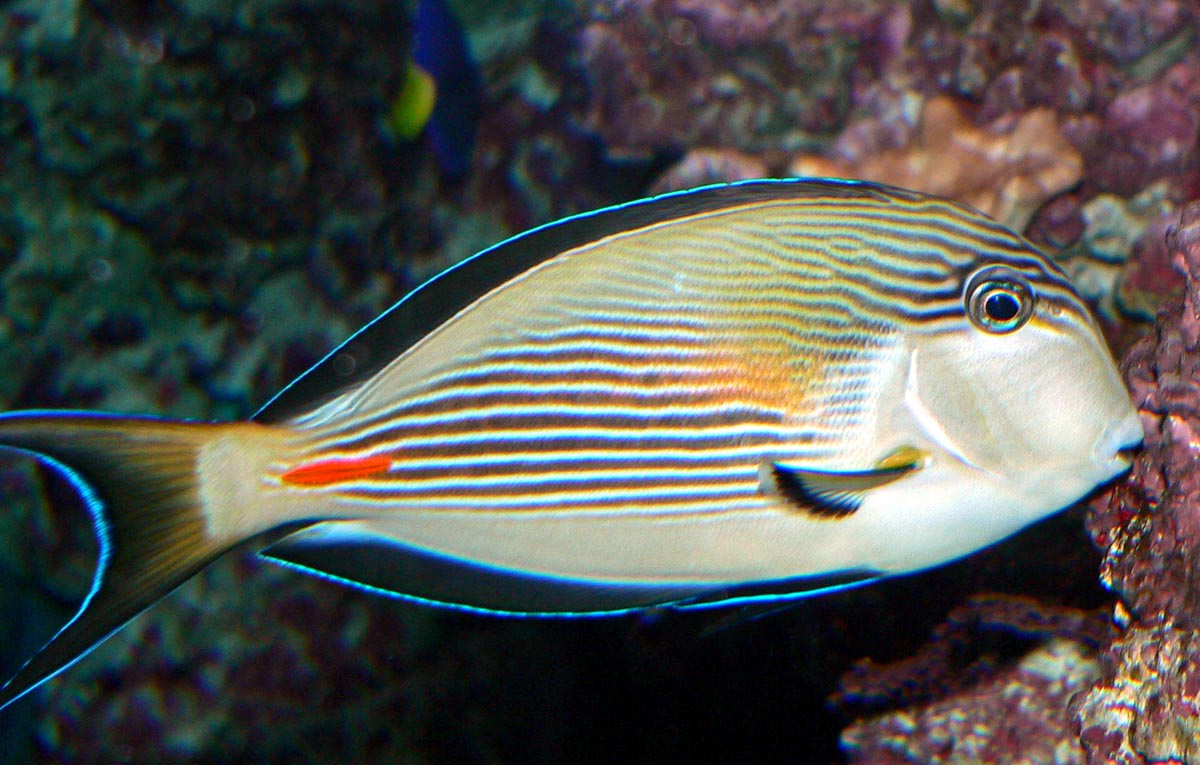
Meet the Sohal Surgeonfish
The Sohal surgeonfish is a striking species found in the warm waters of the Indian Ocean, particularly around the Red Sea. Its unique appearance, characterized by bold blue and white stripes, makes it a favorite among marine enthusiasts and aquarium visitors alike.
Habitat & Range
This species thrives in the dynamic ecosystems of coral reefs, where it contributes to the delicate balance of marine life. Coral reefs offer the perfect environment for the Sohal surgeonfish, providing ample food sources and shelter from predators.

Diet & Behavior
Sohal surgeonfish are primarily herbivorous, feeding on algae that grow on coral reefs. This diet plays a crucial role in maintaining the health of coral ecosystems by preventing algae overgrowth. Known for their territorial behavior, they are often seen defending their feeding grounds from intruders.
Conservation Status
Currently, there is limited information on the conservation status of the Sohal surgeonfish. However, like many reef dwellers, they are susceptible to threats such as habitat destruction and climate change. Conservation efforts focused on protecting coral reefs are essential for their survival.
Why It Matters
The Sohal surgeonfish is not just a beautiful creature; it is an integral part of the coral reef ecosystem. By consuming algae, it helps maintain the delicate balance necessary for the health of coral reefs, which are vital to marine biodiversity.

FAQ
What does the Sohal surgeonfish eat?
Sohal surgeonfish primarily feed on algae found on coral reefs.
Where can Sohal surgeonfish be found?
They are typically found in the Indian Ocean, especially around the Red Sea.
How do Sohal surgeonfish contribute to their ecosystem?
By grazing on algae, they help prevent overgrowth on coral reefs, maintaining ecological balance.